chemical safety footwear About
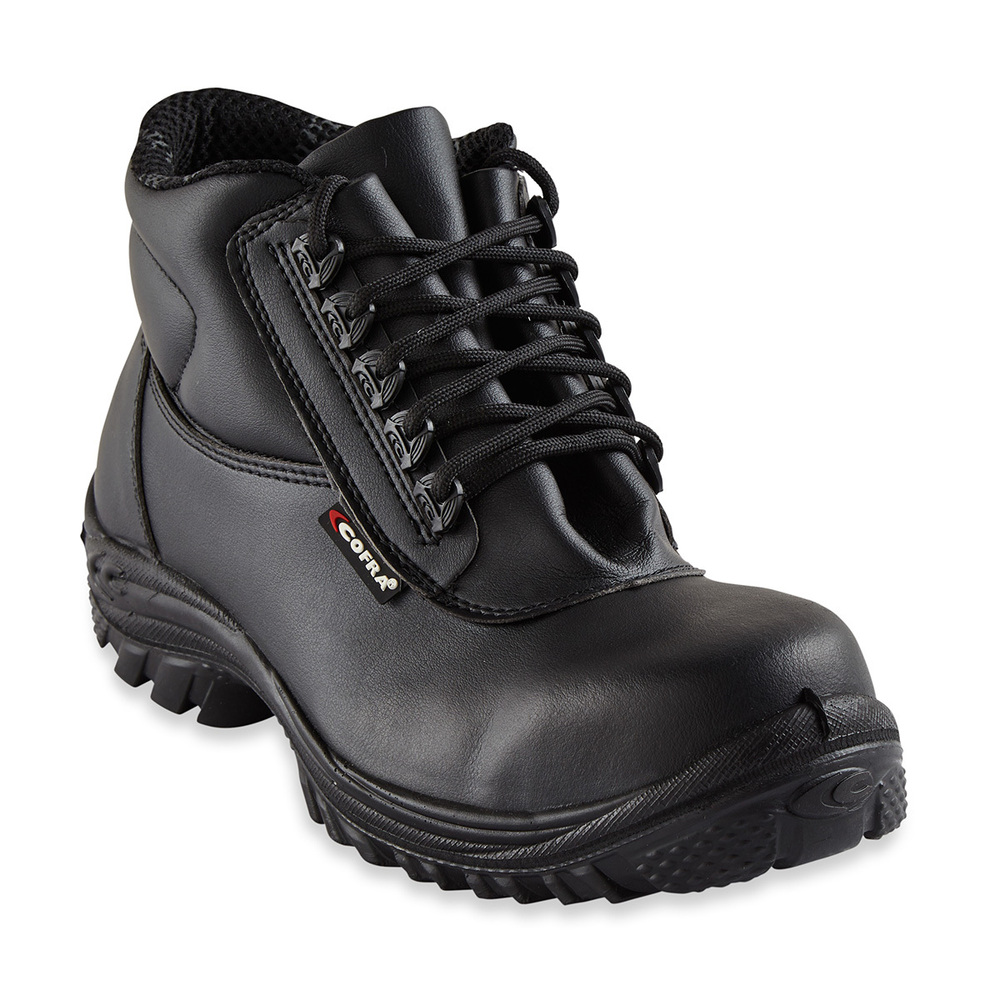
Features like chemical-resistant materials, reinforced toe caps, slip-resistant soles, and puncture-resistant midsoles are crucial for providing comprehensive protection. Advanced Chemical ResistanceCrafted with molded PVC and nitrile rubber, these boots offer a high degree of resistance against a wide range of chemicals, including acids, alkalis, and oils. The anti-corrosive coating and waterproof design protect feet from hazardous spills and prolonged chemical exposure, making them an essential choice for laboratory and industrial safety.
Enhanced Comfort and DurabilityThe safety boots feature a comfortable inner lining and a cleated anti-slip sole, ensuring stability on wet or uneven surfaces. Their lightweight yet tough materials reduce fatigue during long shifts. Pull-on, ready-to-wear options support quick donning, while the abrasion-resistant build maintains performance over time.
Versatile Safety FeaturesAvailable with steel or composite toe options and offered in various sizes and boot heights, these boots adapt to different workplace hazards and comfort needs. They also provide electrical insulation and oil resistance, expanding their suitability for a wide range of industrial and laboratory applications.
FAQ's of chemical safety footwear:
Q: How should I properly use and care for chemical safety footwear?
A: Chemical safety boots should be worn in environments where there is a risk of exposure to chemicals, oils, or electrical hazards. After use, rinse off contaminants with water and mild detergent, then air dry. Regularly inspect for any signs of damage to maintain performance and replace them if any sealing or structural issues are observed.
Q: What processes are used to manufacture these safety boots?
A: These safety boots are produced using a durable molded PVC construction process. The material is shaped and fused to form a seamless, anti-corrosive shell that resists penetration by hazardous chemicals and offers long-lasting protection in industrial environments.
Q: When should I choose steel toe versus composite toe options?
A: Select steel toe boots if you require maximum protection from heavy falling objects. Composite toe options provide adequate protection while being lighter and non-metallic, making them suitable for environments needing metal detector compatibility or reduced boot weight.
Q: Where can this footwear be used, and who are the typical users?
A: Ideal for use in chemical plants, laboratories, manufacturing facilities, and other industrial settings where exposure to hazardous substances is a concern. Typical users include laboratory staff, industrial workers, safety officers, and professionals in chemical industries.
Q: What are the benefits of the anti-slip cleated sole design?
A: The anti-slip cleated sole enhances grip on slippery or uneven surfaces, reducing the risk of slips and falls. This design is especially effective in wet or oily conditions, promoting safety and stability for the wearer.
Q: How does the boot provide protection against electrical hazards?
A: These boots incorporate insulating materials and a specialized sole design that resists electrical currents, reducing the risk of electric shock. They meet safety standards for electrical hazard protection in environments with potential live electricity exposure.







 Get Latest Price


 Send Inquiry
 Send Inquiry
 Send SMS
 Call Me Free


 English
 Spanish
 French
 German
 Italian
 Chinese (Simplified)
 Japanese
 Korean
 Arabic
 Portuguese