FAQs of MRI scanner:
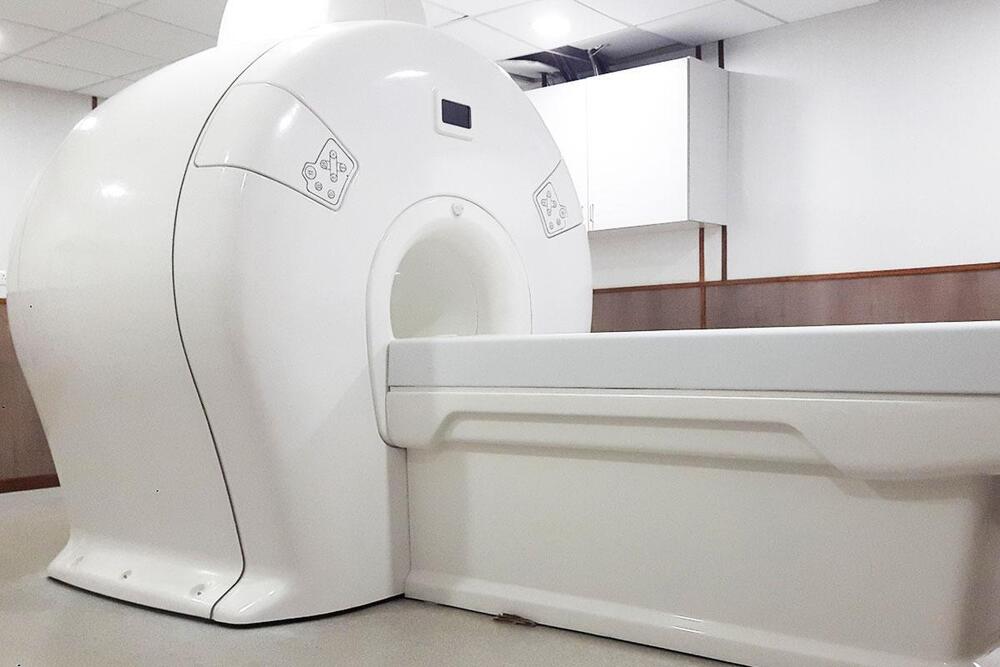
Q: How does the 1.5 Tesla superconducting MRI scanner benefit diagnostic imaging?
A: The scanner delivers clear, high-resolution images using multiple imaging modes, enabling clinicians to accurately diagnose a wide range of conditions in a non-invasive manner. Its superconducting technology and 33 mT/m gradient strength help produce detailed anatomical and functional images.
Q: What types of exams or conditions can be assessed using this MRI scanner?
A: This MRI system is well-suited for neurological, musculoskeletal, abdominal, and vascular studies. It supports imaging sequences like T1, T2, FLAIR, DWI, and STIR, allowing evaluation of tumors, injuries, strokes, infections, and soft tissue abnormalities.
Q: When should patients consider undergoing an MRI scan with this device?
A: MRI scans are typically prescribed by medical professionals when they need to examine soft tissues, the central nervous system, or joints with high clarity. It is recommended for scenarios where other imaging methods are inconclusive or insufficient.
Q: Where should the MRI scanner be installed for optimal performance?
A: The scanner should be installed in a controlled environment, such as a designated radiology or imaging room, with adequate space, ventilation, and shielding to ensure safety and proper function according to manufacturer guidelines.
Q: What is the process for operating this MRI scanner?
A: The MRI scanner is operated by trained and certified radiology staff. The motorized patient table positions the individual in the bore, and scan parameters are set using the touchscreen console. Images are acquired, stored, and transferred via integrated PACS for review.
Q: How is patient safety ensured during the scanning process?
A: The scanner is equipped with IEC and CE safety certifications, motorized table controls with load limits, and a system that maintains noise levels below 99 dB(A) when ear protection is used. Strict operator protocols further safeguard patient well-being.
Q: What is the advantage of integrated PACS compatibility in this MRI scanner?
A: Integrated PACS (Picture Archiving and Communication System) compatibility allows direct storage and secure sharing of diagnostic images, improving workflow efficiency for clinicians and expediting patient care by enabling remote consultations and streamlined reporting.