FAQs of x ray machine:
Q: How should the X-ray machine be operated for optimal performance?
A: The X-ray machine should be operated by a certified radiologist or technician following the instructions provided in the user manual. Proper setup and selection of exposure parameters are crucial for optimal diagnostic imaging and safety.
Q: What types of image receptors are compatible with this X-ray machine?
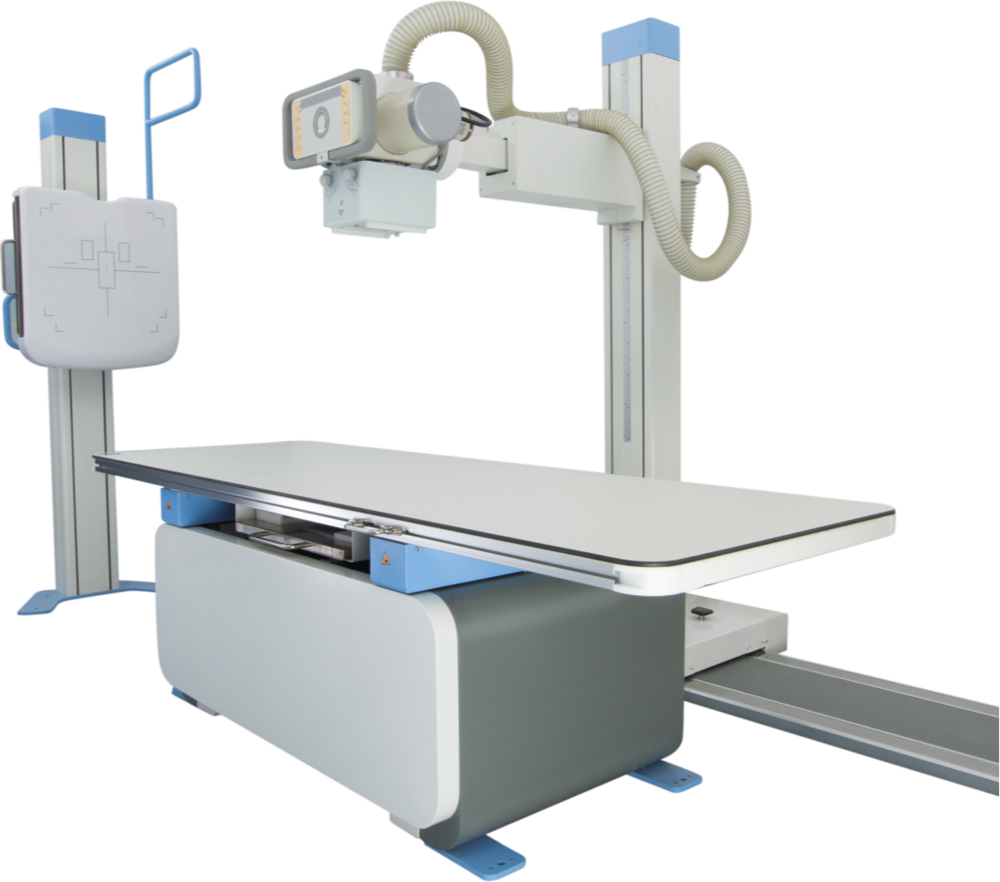
A: This machine is compatible with flat panel detectors, traditional film, and computed radiography (CR) systems, providing flexibility in capturing and processing X-ray images according to your facilitys needs.
Q: When is it necessary to adjust the tube voltage and current settings?
A: Tube voltage and current settings should be adjusted based on the specific diagnostic requirement, patient size, and body part being imaged. This allows for optimal image quality and reduced radiation exposure.
Q: Where should the X-ray machine be installed and stored?
A: Install the machine in a designated, dry, and dust-free environment such as a radiology room in hospitals, clinics, or diagnostic centers. Ensure the area is compliant with radiation safety regulations and storage guidelines from the user manual.
Q: What is the process for maintaining the X-ray machine?
A: Routine maintenance involves regular inspection of cables and connectors, monitoring of the cooling system, cleaning external surfaces, and periodic checks by qualified service professionals to ensure peak performance and longevity.
Q: How does the oil-cooled tube benefit the machines operation?
A: The oil-cooled system effectively dissipates heat generated during operation, preventing overheating and ensuring consistent, long-term performance of the X-ray tube.
Q: What are the main benefits of using this floor-mounted digital X-ray machine?
A: Major benefits include reliable diagnostic imaging quality, enhanced safety features, digital control for accuracy, compatibility with multiple receptors, and robust construction suitable for high-demand clinical environments.