high pressure pump About
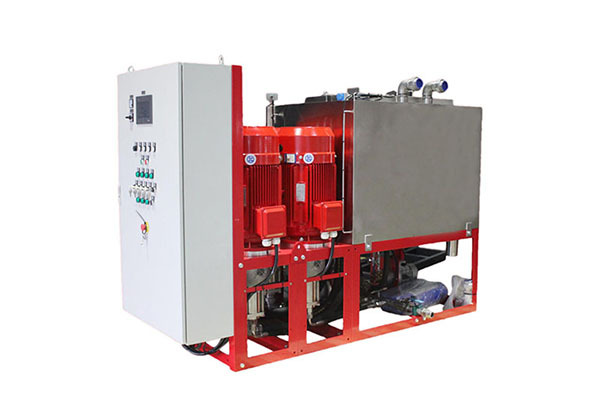
The pumps can be electric or driven by other power sources, and they are crucial for delivering water through specialized nozzles that produce the desired droplet size and spray pattern. Robust Design for Versatile ApplicationsThe pump's forged brass head, stainless steel and brass materials, and high-pressure seals ensure it can withstand rigorous use in various industries. Its rectangular, powder-coated body and efficient cooling system provide strong resistance against corrosion and wear, making it suitable for agricultural irrigation, industrial pressure testing, car washing, and more.
High Efficiency and Easy IntegrationDelivering up to 350 Bar of pressure and a maximum flow rate of 40 LPM, this pump is designed for consistent, high-output performance. Energy efficiency (A+ rating) and flexible connectivity options (flange or threaded) allow for seamless integration into existing systems. Its self-priming, base-mounted construction makes installation straightforward and dependable.
Reliable Operation with Low MaintenanceEngineered with advanced reciprocating plunger technology and air cooling, this pump runs smoothly with minimal noise. The manual or automatic control options cater to diverse operational preferences. With a working temperature range of 5C to 60C and robust, long-lasting seals, it delivers extended service life while keeping maintenance requirements low.
FAQ's of high pressure pump:
Q: How do I install the high pressure pump with horizontal mounting?
A: To install the high pressure pump, ensure a stable, level surface for horizontal base mounting. Secure the pump using recommended bolts and align the suction and discharge connections-either flange or threaded as per your setup. Reference the manufacturer's installation manual for specific electrical requirements (415V AC) and safety guidelines.
Q: What types of fluids are suitable for this high pressure pump?
A: This pump is designed for water and light chemicals, thanks to its high-quality stainless steel and forged brass construction. Ensure that the fluids being pumped are compatible with the materials specified to maintain efficiency and prevent damage to seals or components.
Q: When should I perform maintenance on the high pressure seals?
A: Regular inspection is recommended every 6 months or after approximately 500 hours of operation, whichever comes first. Check for leaks or wear, especially if used under maximum pressure or in harsh environments. Refer to the service manual for seal replacement procedures and intervals.
Q: Where can this high pressure pump be used most effectively?
A: This pump excels in applications such as industrial cleaning, agricultural irrigation, boiler feeding, car washing, water jet cleaning, and pressure testing. Its robust construction and high efficiency make it a reliable choice for locations requiring consistent performance and minimal downtime.
Q: What are the benefits of the reciprocating plunger technology featured in this pump?
A: Reciprocating plunger technology ensures a consistent, pulsation-free flow at high pressures. This results in enhanced energy efficiency, increased lifespan of pump components, and superior performance for demanding industrial and agricultural tasks.
Q: How does the pump maintain low noise levels during operation?
A: The pump's air-cooled design and precision-balanced plungers reduce vibration and mechanical noise. Additionally, high-quality seals and robust construction minimize sound generation, ensuring comfortable operation even in noise-sensitive environments.
Q: What process should be followed for connecting the pump to existing systems?
A: Select the appropriate connectivity type-flange or threaded-based on your system requirements. Ensure all connections are secure and compliant with recommended installation practices. Check voltage compatibility (415V AC) and follow the pressure testing process before full operation to avoid leaks or system failure.





 Get Latest Price


 Send Inquiry
 Send Inquiry
 Send SMS


 English
 Spanish
 French
 German
 Italian
 Chinese (Simplified)
 Japanese
 Korean
 Arabic
 Portuguese