Fire Clothing About
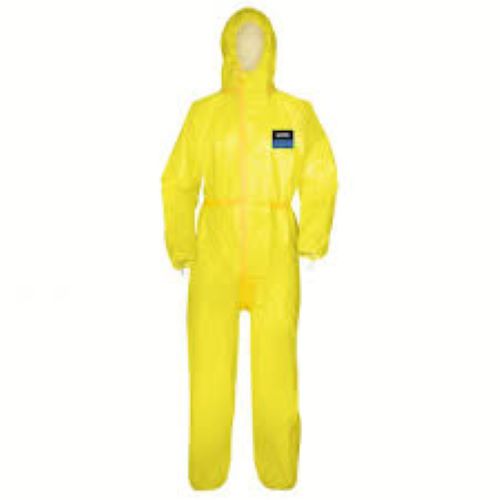
The uvex laminate classic material used in the uvex 3B chem classic provides an extremely effective barrier against many organic and inorganic liquid chemicals. In combination with the ultrasonically welded and additionally taped seams, maximum safety is ensured.Comprehensive Protective DesignEngineered for maximum protection, this coverall offers complete coverage from head to toe. Reinforced seams and a chemical-resistant coating enhance its durability, making it suitable for high-risk environments such as firefighting, industrial safety, and chemical handling. The attached hood and zipper front with flap ensure no gaps in coverage.
Reliable Standards ComplianceMeeting rigorous ISO 11612 and EN 14126 standards (or equivalent), the garment ensures dependable flame and chemical resistance. This compliance is crucial for environments where safety against thermal and liquid hazards is non-negotiable, providing peace of mind for both users and employers.
FAQ's of Fire Clothing:
Q: How should the single-use fire-resistant coverall be worn for optimal protection?
A: To achieve optimal protection, wear the suit over regular clothing, ensuring the zipper is fully closed and the flap securely fastened. The attached hood should cover the head completely, and all seams should remain intact and untampered.
Q: What materials are used in the manufacture of this fire clothing, and why are they selected?
A: The coverall is made from Polypropylene, PVC, or similar fire-retardant fabrics selected for their lightweight nature, reliable flame resistance, and ability to provide a chemical-resistant barrier, which are essential in hazardous work conditions.
Q: When should the fire clothing be replaced or disposed of?
A: As this is a disposable, single-use garment, it must be replaced after one use or if it becomes visibly contaminated, damaged, or compromised during use. Do not attempt to launder or reuse.
Q: Where is this fire protective clothing typically used?
A: This protective suit is designed for use in situations involving firefighting, industrial safety operations, and chemical handling activities where there is a risk of fire or exposure to hazardous substances.
Q: What benefits does the low noise material offer during use?
A: The low noise material minimizes rustling sounds during movement, which helps workers maintain concentration and discreet operations, especially in emergency or sensitive environments.
Q: How does the suit comply with safety standards?
A: The suit adheres to ISO 11612 and EN 14126 standards (or equivalents specified by the manufacturer), confirming its ability to resist flames and protect against hazardous chemicals.
Q: What is the process for donning and doffing the coverall safely?
A: To put on, step into the suit, pull it up over the body, zip up the front, and engage the flap for extra security. When removing, unzip and carefully peel off, avoiding contact with the outer surface, then dispose of per hazardous material disposal protocols.






 Get Latest Price


 Send Inquiry
 Send Inquiry
 Send SMS
 Call Me Free


 English
 Spanish
 French
 German
 Italian
 Chinese (Simplified)
 Japanese
 Korean
 Arabic
 Portuguese